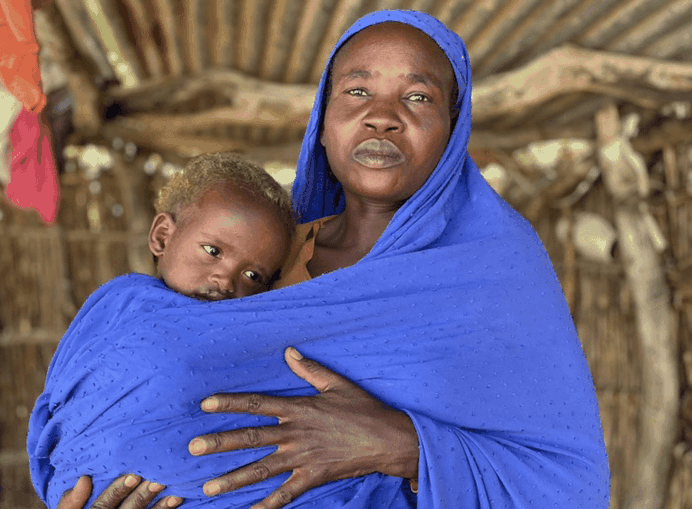
Sudan is facing one of the world's most severe humanitarian crises. Decades of conflict have been compounded by the war that erupted in April 2023, forcing millions of people from their homes and severely disrupting essential services and livelihoods. At the same time, climate change, recurrent droughts and floods, desertification and growing pressure on water and arable land are deepening food insecurity and increasing the vulnerability of communities already living through conflict and displacement.
LM International brings decades of experience in Sudan and a strong combination of humanitarian and long-term development expertise. The Sudan programme has been established in the country since 2002 when LM International was among the first NGOs working in the western Nuba Mountains. Today, we operate across eight states, working alongside conflict-affected communities, internally displaced people, refugees and people living in vulnerable and hard-to-reach areas.


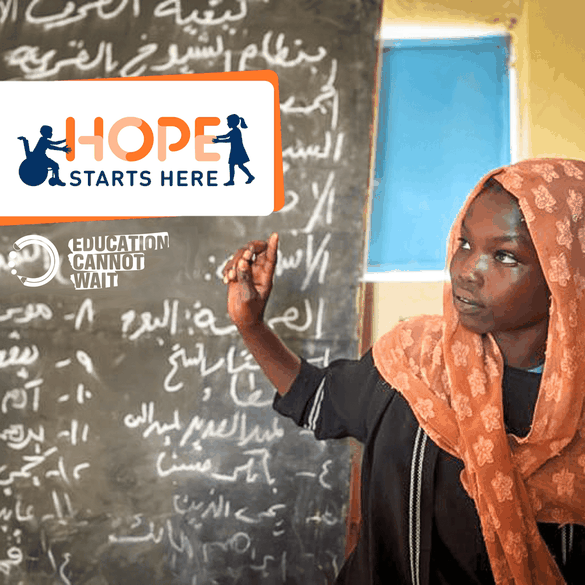
Sudan is experiencing one of the world’s most severe education emergencies. At least 8 million children, nearly half of the country’s school-age population, are currently out of school. Many schools have closed, been damaged or are being used as shelters, while some children have missed almost 500 days of learning.
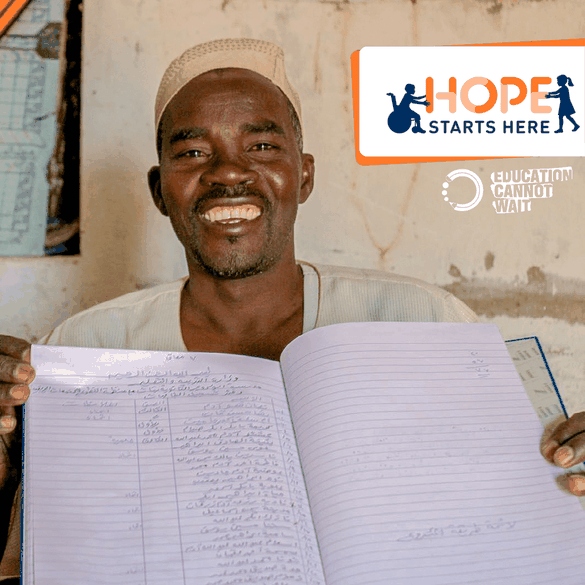
In August 2026, Education Cannot Wait announced a new US$22 million, three-tear investment to help nearly 200,000 crisis-affected children and adolescents return to safe, quality and inclusive education across West Darfur, South Kordofan and Gedaref.
The programme will prioritise children who have been left furthest behind, including internally displaced children, refugees and children from vulnerable host communities. At least 60% of those reached will be girls and 10% will be children with disabilities.
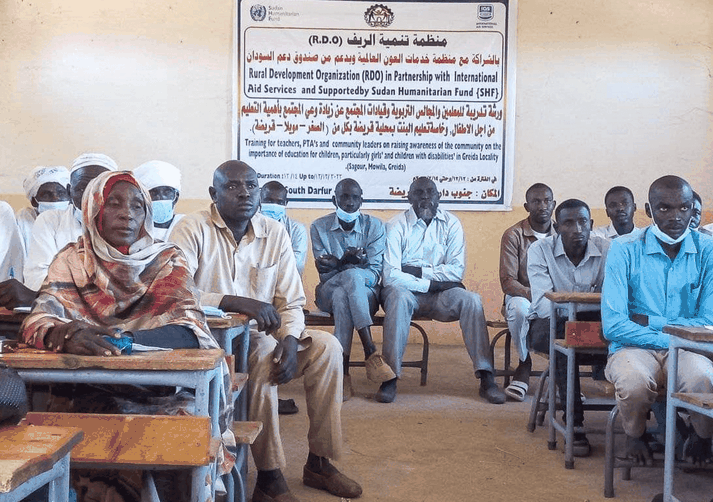
The response will establish safe formal and non-formal learning environments, provide mental health and psychosocial support, strengthen teachers’ capacity and improve access to quality learning materials. It will also address the particular barriers preventing girls and children with disabilities from participating in education.
LM International is an implementation partner in the consortium led by Save the Children, alongside Plan International and the Sudanese organisations Alsalam Organisation for Relief and Development and Sadagaat.
We contribute with our long-standing presence in Sudan, experience of working with conflict-affected and displaced communities and established local relationships. Together, the partners will help children return to learning environments that provide education, protection, stability and psychosocial support.
Local leadership is central to the programme, with nearly 48% of the budget channelled to national and local partners. The consortium will work with community structures, women-led organisations and organisations of persons with disabilities to ensure that the response reflects local priorities and capacities.
For children living through crisis, hope begins with the chance to learn, and grows when their determination is met with collective action.
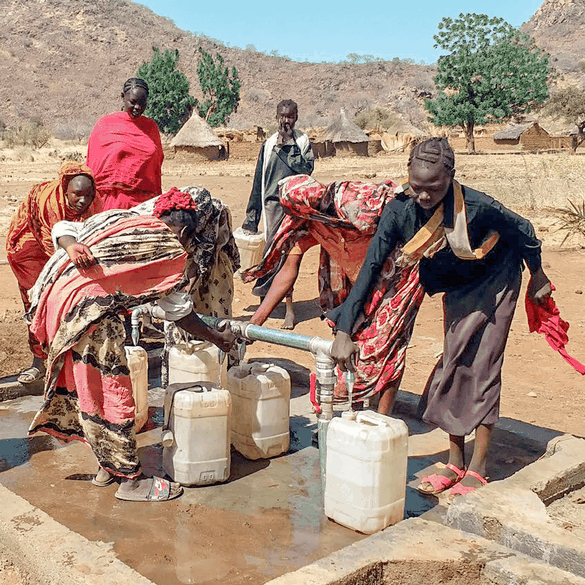
Access to safe water has long been central to LM International’s work in Sudan. We have developed strong expertise in water, sanitation and hygiene (WASH), including Integrated Water Resources Management (IWRM), which connects access to water with the sustainable management of increasingly scarce natural resources. Today, LM International is co-lead of Sudan's national WASH Sector, reflecting the technical expertise and partnerships built through years of working in the country.
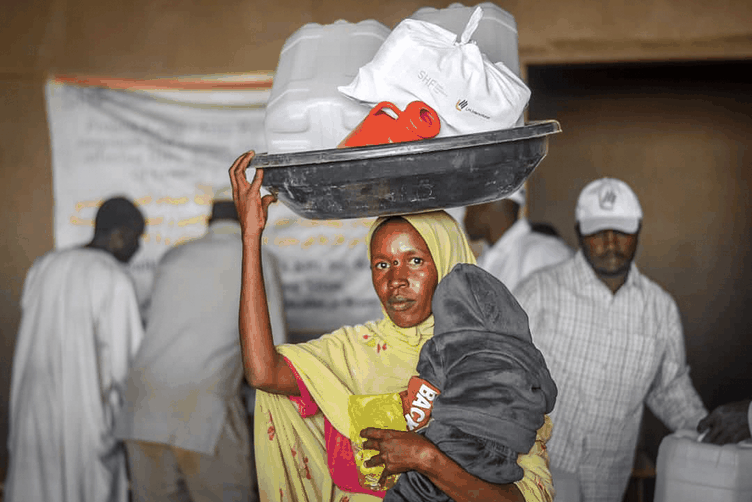
Our work extends across water, sanitation and hygiene, food security and livelihoods, education and training and, increasingly, health and well-being. Protection, climate resilience, inclusion and peaceful coexistence are integrated across our response. By connecting immediate humanitarian assistance with longer-term resilience-building, we work not only to meet urgent needs but also to strengthen communities' ability to withstand future crises and shape sustainable recovery.