
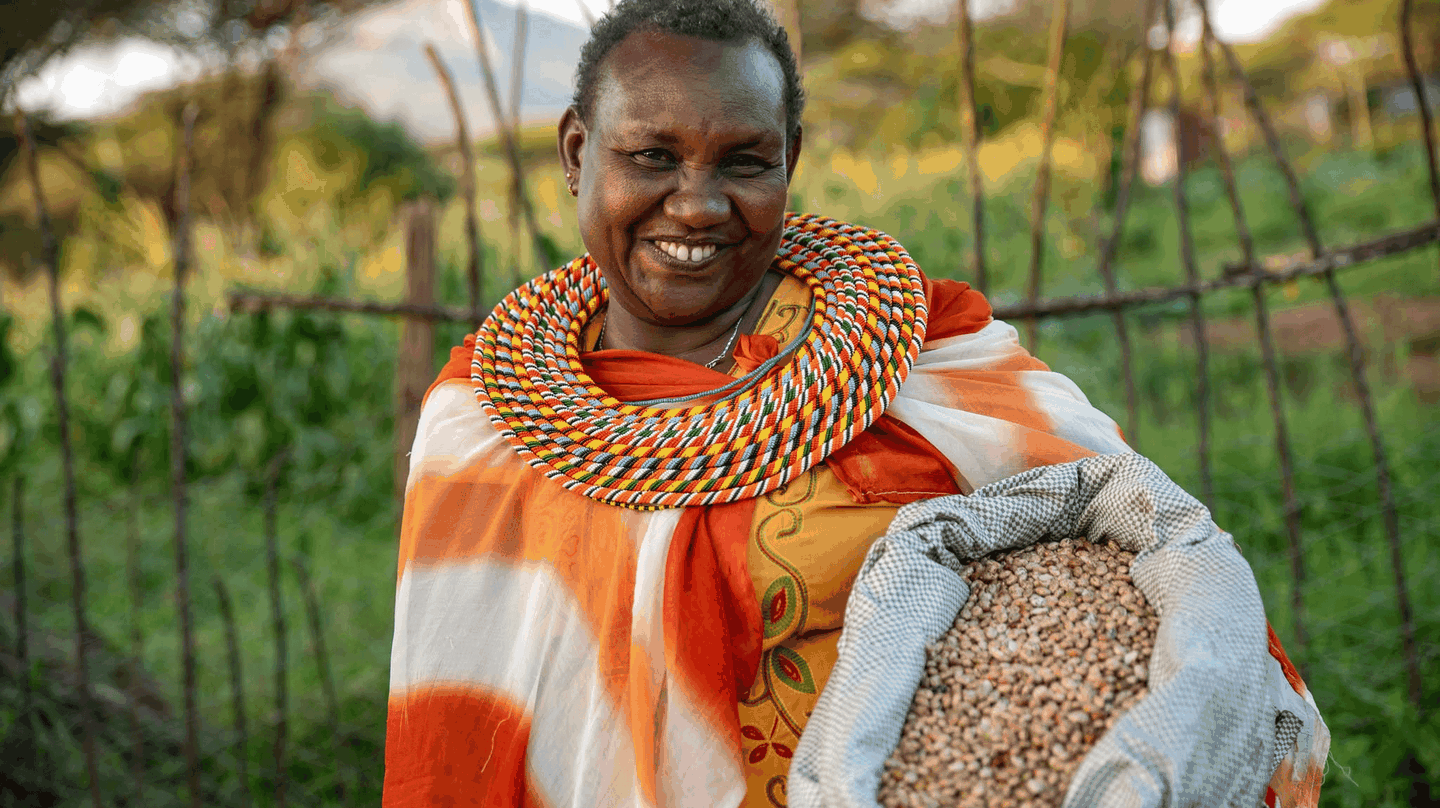
Biodiversity underpins water security, food systems, public health, livelihoods and community resilience. Yet across Africa, climate change, land degradation and pressure on natural resources are putting ecosystems and the communities that depend on them at risk.
As delegates met in Yerevan, Armenia, for the 17th meeting of the Conference of the Parties to the Convention on Biological Diversity (CBD COP17), Africa4Resilience (A4R) issued a position statement calling for global biodiversity commitments to lead to practical, adequately financed action at community level.
Drawing on priorities submitted by Kenya4Resilience, Uganda4Resilience and Burkina Faso4Resilience, the statement calls for a whole-of-society approach: bringing together governments, communities, civil society, researchers, faith and traditional institutions, development partners and the private sector.
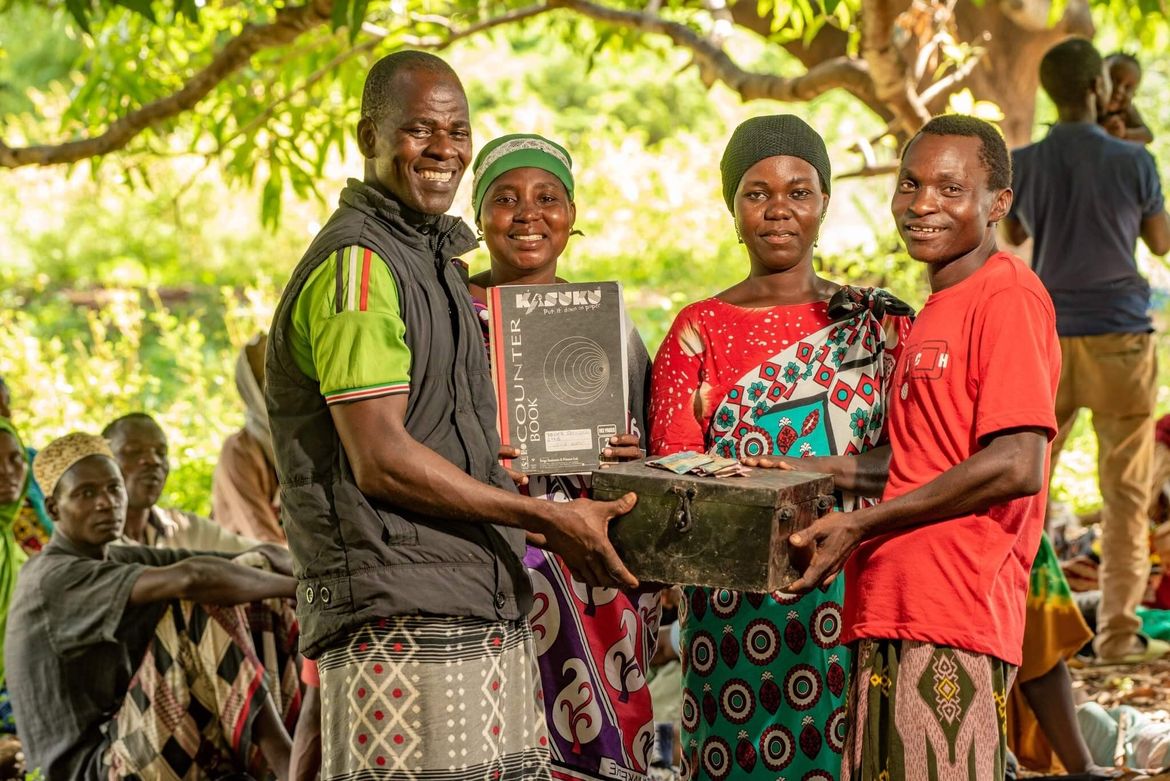
A4R calls for Indigenous Peoples and local communities, women, young people and people with disabilities to have a meaningful role in biodiversity planning, implementation, monitoring and decision-making: including the ability to shape priorities, influence budgets and evaluate results.
Communities are already restoring degraded land, protecting forests and wetlands, managing rangelands, planting trees and building water-harvesting infrastructure. Farmers are using approaches such as Farmer-Managed Natural Regeneration and agroforestry, while women and young people are leading local conservation and resilience efforts.
But communities must be recognised as more than beneficiaries. A4R calls for Indigenous Peoples and local communities, women, young people and people with disabilities to have a meaningful role in biodiversity planning, implementation, monitoring and decision-making: including the ability to shape priorities, influence budgets and evaluate results.
The statement also calls for predictable, flexible, long-term funding that reaches community organisations and local implementers. Short-term project funding is often not suited to restoration, whose benefits can take years to emerge. Support must cover implementation, maintenance, technical assistance, monitoring and community participation.
A4R further urges governments and partners to connect conservation with livelihoods, strengthen coordination across sectors and levels of government, and measure progress throughecological recovery and tangible benefits for communities.
At COP17, Africa4Resilience and LM International also co-hosted ‘Faith in Action for Biodiversity: A Whole-of-Society Approach to Resilient Landscapes and Communities’ at the Faith Hub in the Blue Zone.
The conversation focused on the practical contribution of faith actors to resilient ecosystems, biodiversity and sustainable livelihoods. Participants highlighted how the trust and local knowledge of faith leaders and practitioners can help connect communities with nature and mobilise collective action: from tree planting and agroforestry to soil conservation, sustainable agriculture and beekeeping.
They also stressed that faith actors should be recognised as active contributors to biodiversity protection and implementation, not only as voices of support. Nature-based solutions can help restore ecosystems while also strengthening household incomes, food security and resilience to environmental and climate-related challenges.
Speakers included Sam Businge of ADRA Uganda, Pauline Madiro of EcoRising Kenya, Ally Mwamzola of the United Nations Association of Tanzania, Jacob Nikiema of Navigators Burkina Faso – EMPE, Emmanuel Mwesigwa of the Center for Evangelism in Uganda, and Christine Njeru of LM International Kenya. Benson Matindi of LM International Kenya moderated the discussion.
For Africa4Resilience, the success of COP17 will depend on whether biodiversity commitments translate into funded, measurable action on the ground. That means ensuring the people who live with and manage biodiversity have the resources, rights and decision-making power to protect it.
Biodiversity is not separate from development: it is a foundation for sustainable livelihoods, food and water security and resilient communities.
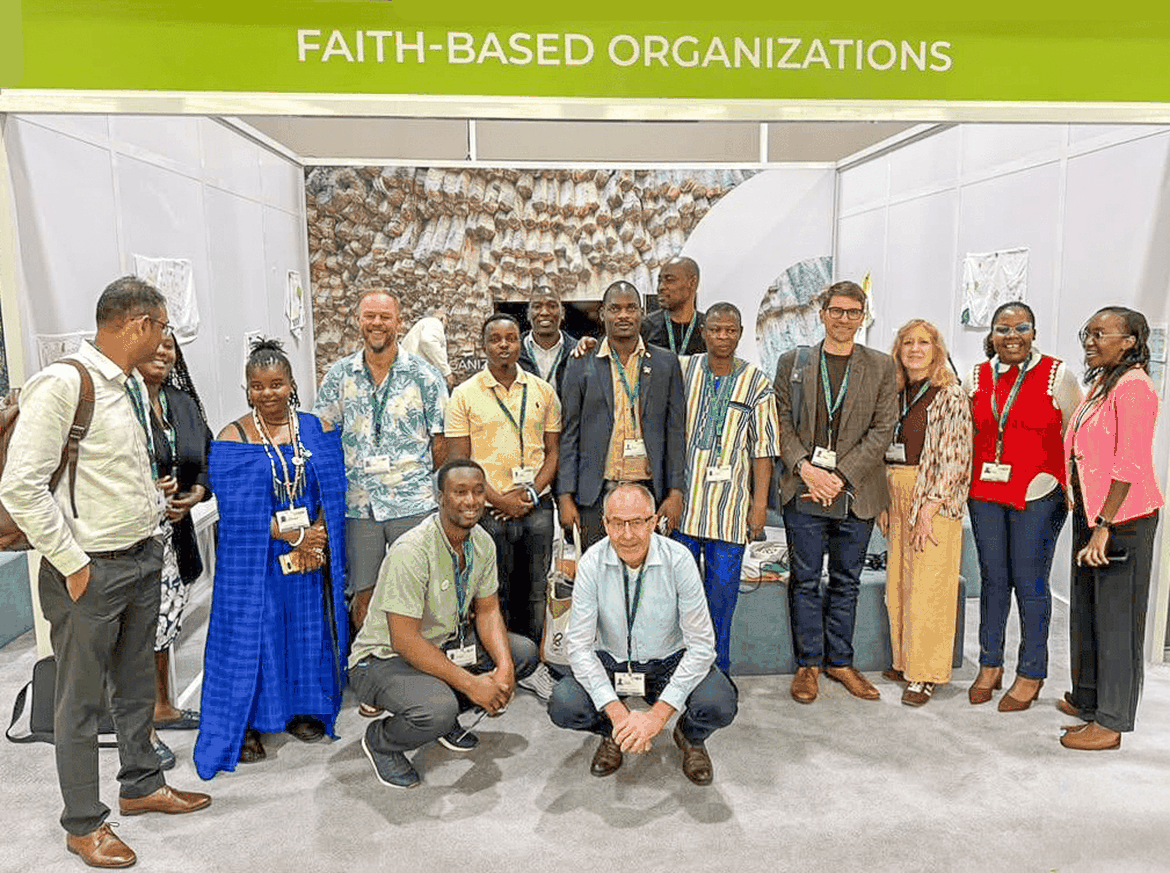
At COP17, Africa4Resilience and LM International co-hosted ‘Faith in Action for Biodiversity: A Whole-of-Society Approach to Resilient Landscapes and Communities’ at the Faith Hub in the Blue Zone.