
For someone earning a living from a motorcycle taxi, switching to electric transport depends on practical questions: can they afford the vehicle, keep it running and earn enough to support their household?
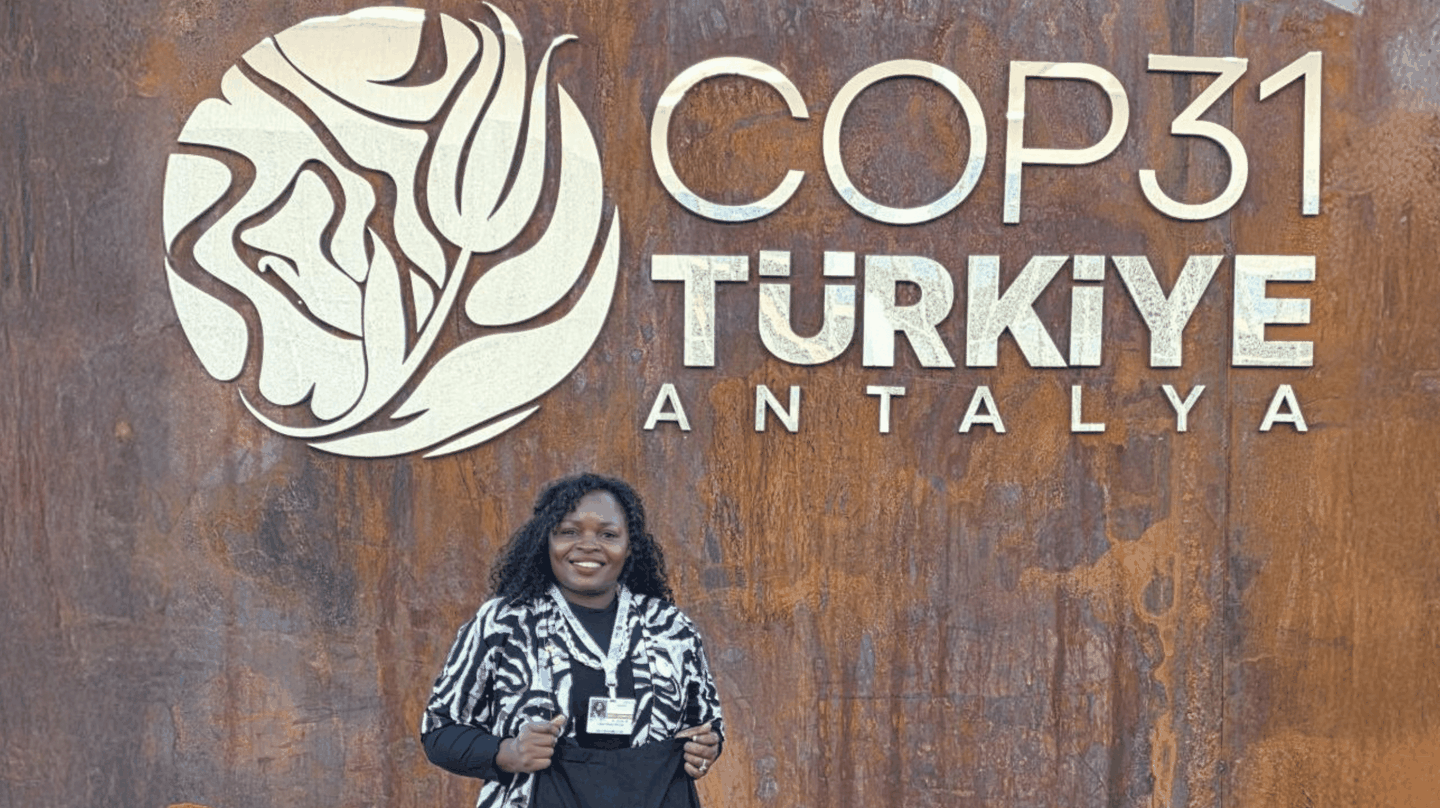
These questions connect directly to the message LM International brought to the UN Climate Change Conference (COP31) in Antalya, Türkiye: climate finance and national action must protect people, strengthen essential services and expand dignified livelihoods.
Representing LM International as part of Uganda's official delegation, Country Director Lilian Musoki brought the knowledge and practical experience of local communities and faith-based actors into the discussions, connecting climate action with sustainable livelihoods, local resilience and economic opportunity.

- Country Director Lilian Musoki

Climate shocks hit the least developed countries hardest, straining essential resources and services. Predictable funding must prioritise national adaptation plans that protect people and strengthen services, reaching national and local authorities, civil society, faith-based organisations and community-led institutions with the expertise to anticipate and respond to these shocks.

Local and faith-based actors bring moral leadership, local legitimacy and lasting community presence, translating global commitments into local action where public systems have limited reach. Their knowledge and networks help communities prepare for climate shocks and adapt. Their expertise must inform policy, with meaningful participation in decision-making.

Low-income countries bear a disproportionate burden of fossil fuel emissions. A just green transition must allow communities time to adapt, create decent livelihoods and jobs, and benefit those most affected, including women, young people, people with disabilities and communities facing climate shocks.
Humanitarian actors must also adopt greener practices, including renewable energy, efficient water systems, cleaner transport, waste reduction and reuse, and local supply chains.
Green Hub’s e-mobility ecosystem for climate change mitigation and improved livelihoods in Uganda.
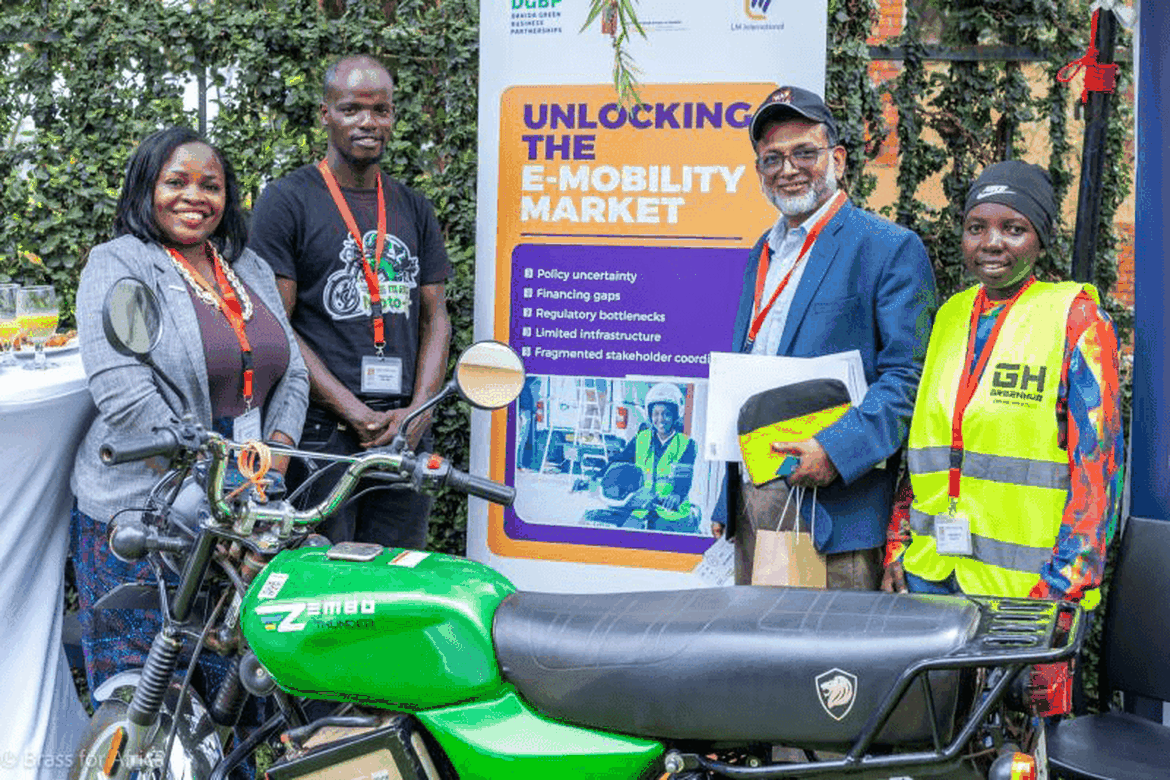
For riders, making the switch to electric mobility needs to make financial sense.
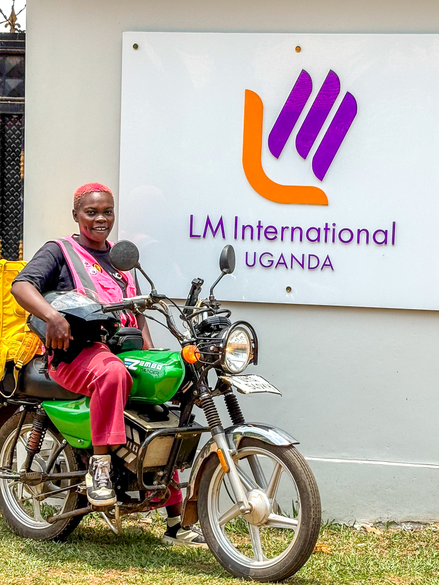
In Uganda, boda bodas keep people moving and provide a vital source of income for riders. But with transport relying almost entirely on imported fossil fuels, these livelihoods are tied to rising fuel costs, while emissions carry an environmental cost.
Electric mobility offers a way forward. For riders, however, making the switch needs to make financial sense.
This is where The Green Hub: E-mobility ecosystem for climate change mitigation and improved livelihoods in Uganda comes in. Funded by the Ministry of Foreign Affairs of Denmark through Danida Market Business Partnerships (DGBP), the project brings LM International together with Kjaer Group, Green Hub East Africa and Women Rising for Africa to develop and test commercially viable electric mobility solutions.
The aim is to make electric transport an affordable, attractive option for riders and underserved communities, particularly women and young people who often struggle to enter the sector.
That takes more than access to an electric motorcycle. Riders also need the skills and support to build a business around it. The project combines training in battery maintenance, road safety and financial literacy with connections to financial institutions.
By bringing these elements together, the partnership is working towards cleaner transport and decent livelihoods, putting a just green transition into practice in Uganda’s everyday journeys.
COP31 proved particularly challenging, with negotiations becoming increasingly difficult across several key issues and the conference ultimately closed without an ‘Antalya pact’.
The discussions that LM International engaged in did, however provide valuable insights into current trends and priorities within the global climate agenda. Our three key messages aligned closely with many debates taking place throughout the conference:
Limited local access to funding is perceived to be the major bottleneck in climate adoption financing. Even when funding becomes available, it seldom reaches district local governments, faith institutions or community groups; the actors who are the first to respond as a shock hits.
says Lilian Musoki.
Full recognition of faith actors has yet to be established, despite their visibility and coordination throughout COP31. However, being in the room is not enough; their input has to shape decisions in meaningful ways.
Alarmingly, the creation of new employment opportunities is estimated to fall far short of the needs of young people entering adulthood. This gap must be addressed to ensure a just and sustainable green transition, where meaningful livelihood and a prosperous future is possible.
The establishment of a Just Transition Mechanism marked an important step forward. Country Director Lilian Musoki is optimistic that this mechanism will be set up in some form, although whether it will come with any meaningful funding remains unresolved.