
Distribution of hygiene kits to internally displaced persons (IDPs) in Sheikan, North Kordofan.
Port Sudan, 10 July 2026
Ongoing insecurity, damaged infrastructure and disruptions to essential supply chains have left communities—particularly displaced families, women, and children—at heightened risk of waterborne diseases and protection concerns.
The cumulative impact of limited access to clean water and inadequate sanitation facilities is deeply concerning. Displaced families, host communities, schools and health facilities face severe water shortages, inadequate sanitation services, and overstretched or nonfunctional water systems. As a result, they are relying on unsafe water sources. Without urgent intervention, the risk of disease outbreaks, including cholera and acute watery diarrhoea, will continue to rise, placing thousands of people at even greater risk.

— Mugtaba Elsafi, Area Coordinator, El Obeid, North Kordofan
LM International, alongside local partners in and around El Obeid, are working tirelessly to maintain lifesaving WASH services through emergency water trucking, rehabilitation of boreholes, distribution of hygiene kits and community engagement on hygiene practices. However, these efforts are being outpaced by growing needs and constrained by limited resources and access challenges.
We call on the international community, donors, humanitarian partners and relevant authorities to:
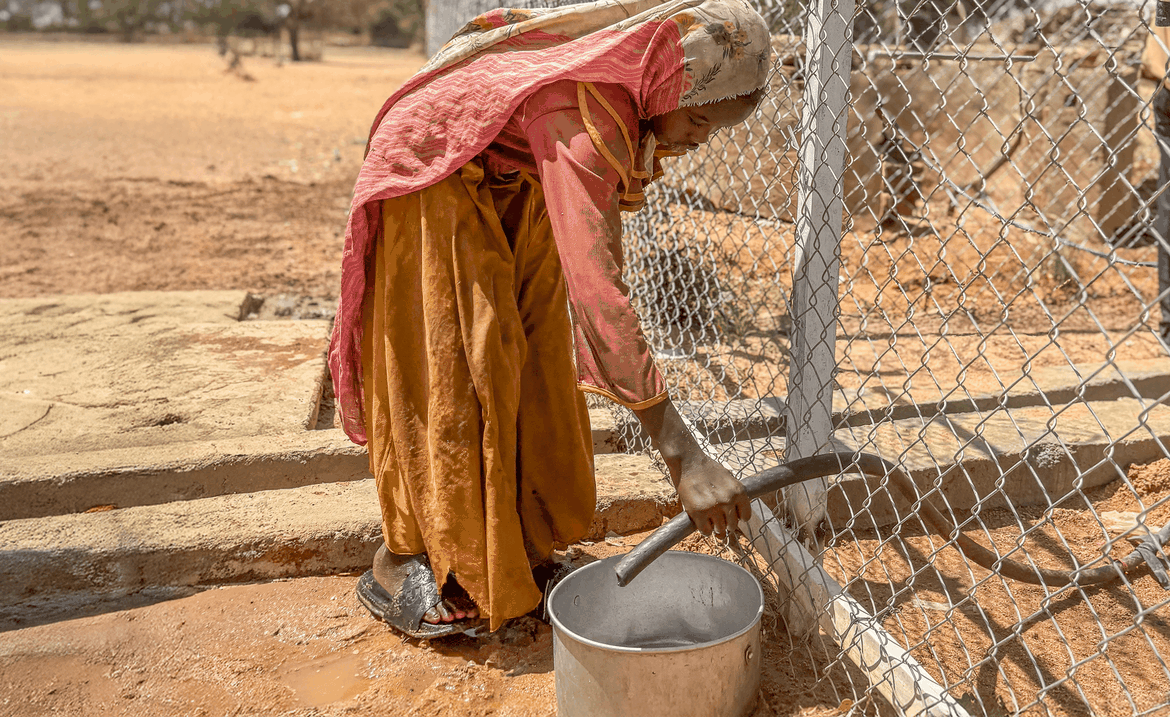
Limited access to safe water and sanitation is increasing health risks for affected communities.
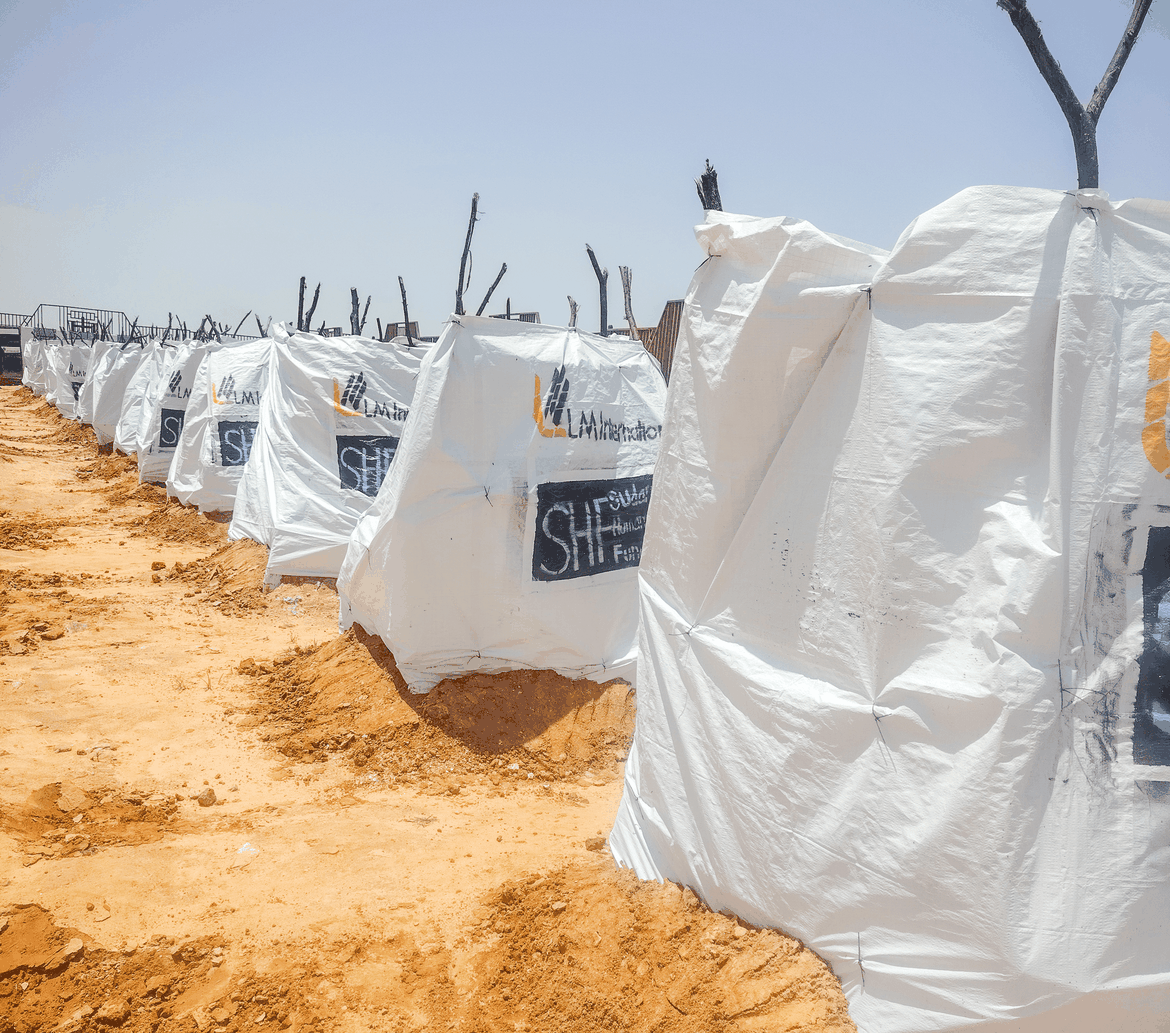
Emergency latrines installed at an internally displaced persons (IDP) gathering site in Shiekan locality